
State of Distributed Energy Resources (DER) in Africa 2026
Africa’s Invisible Grid
The continent is building a distributed power system faster than anyone is counting it. What that means for grids, markets and the 581 million Africans still without electricity.1
Highlights from the report
Six things the numbers show
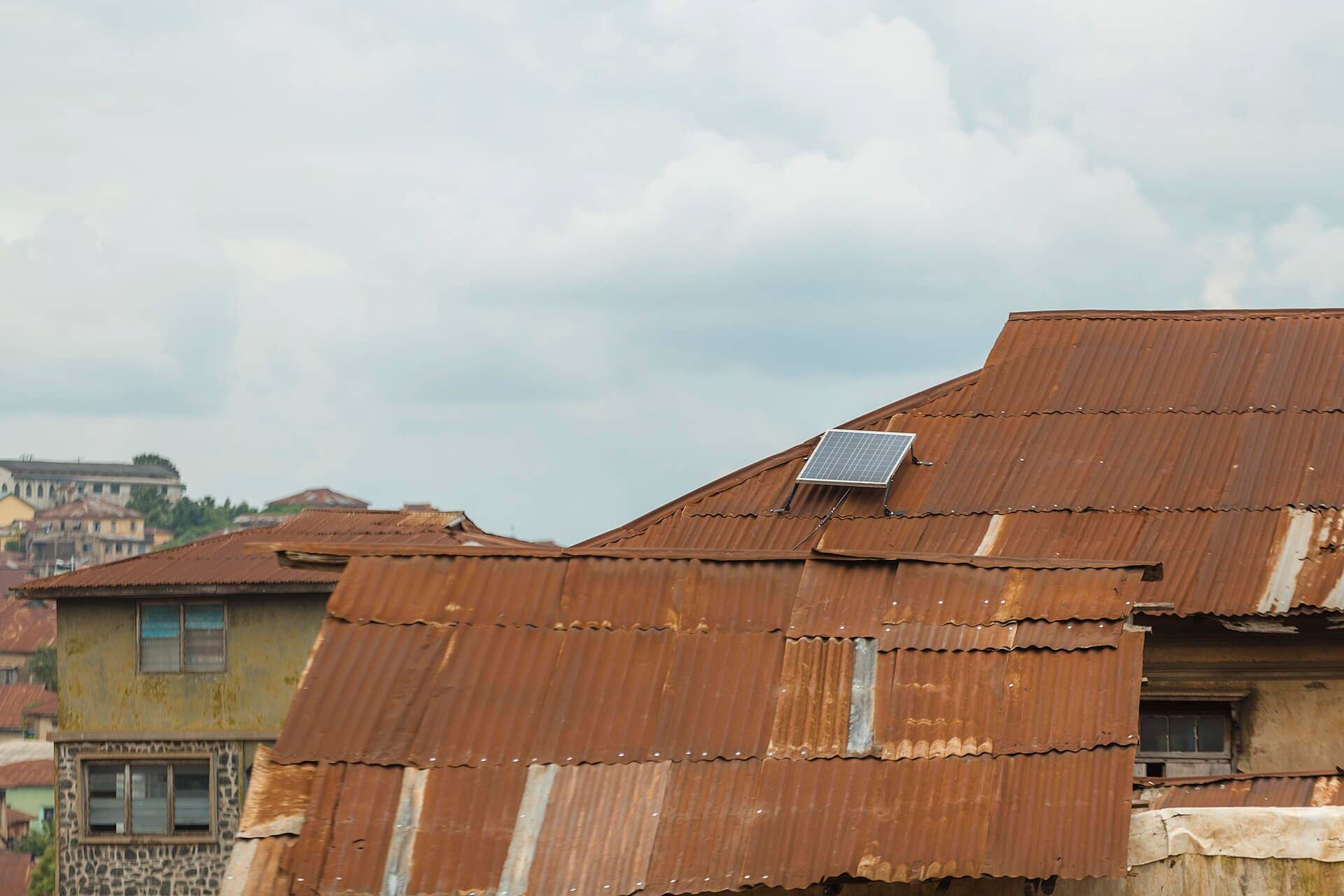
Africa installed about 12 GW of solar in 2025, roughly twice what official statistics record.
Ember estimates installations will grow a further 45% in 2026, to 17 GW: 47 MW, or roughly 100,000 panels, every day.2
Ember estimates are derived from Chinese panel export data and cover all solar.

Estimates of 2025 solar additions differ by a factor of 2.6.
Only 36 of Africa’s 54 countries publish any official solar capacity figure, and only 14 have data for 2025.2
Three-quarters of Africa’s new solar is distributed.
Ember estimates 75% of the 26 GW of solar added in 2023–2025 is distributed, not utility-scale.2
Customers are not waiting for the grid.
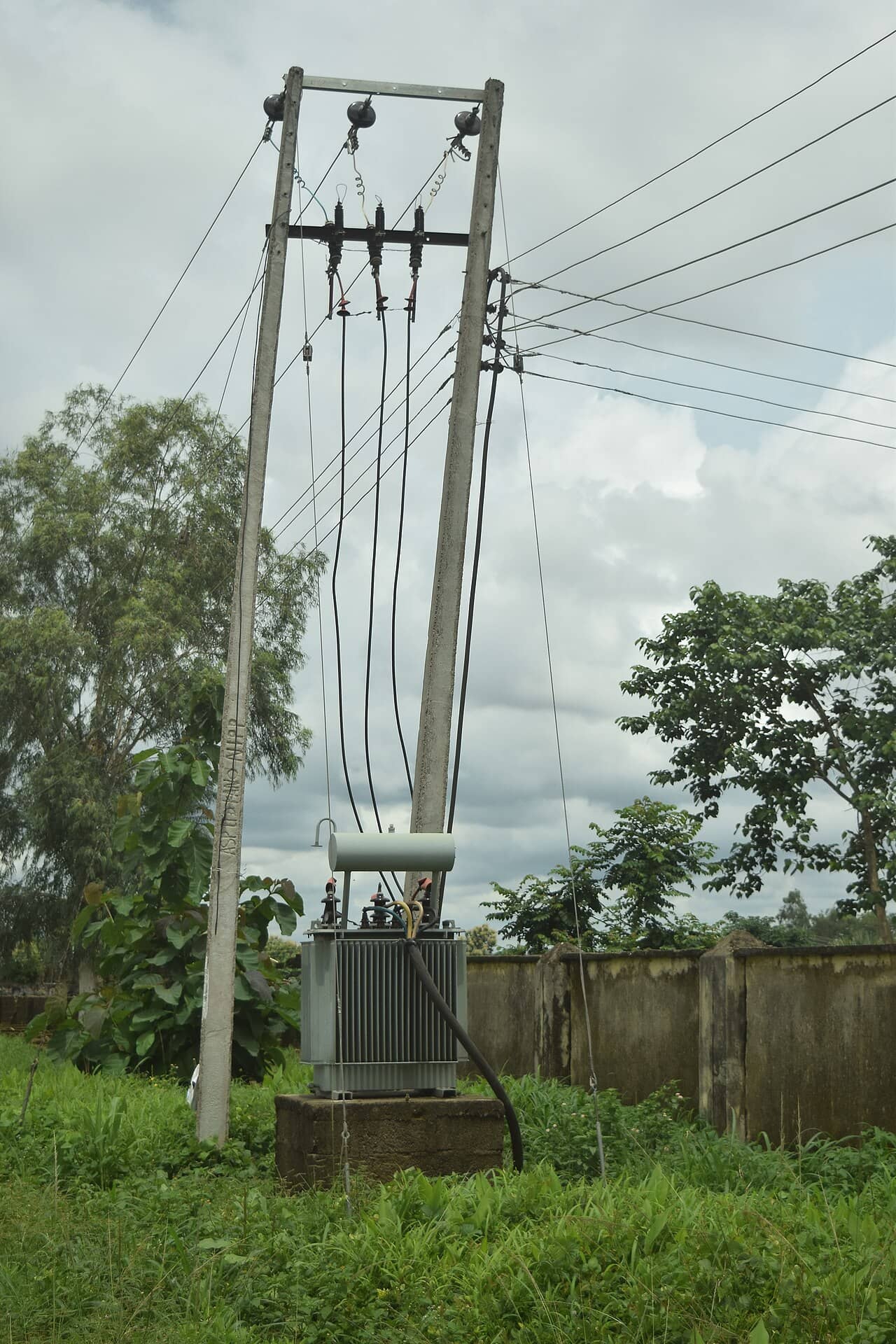
72% of firms in sub-Saharan Africa report electrical outages, against 47% worldwide, and 51% own or share a generator.5
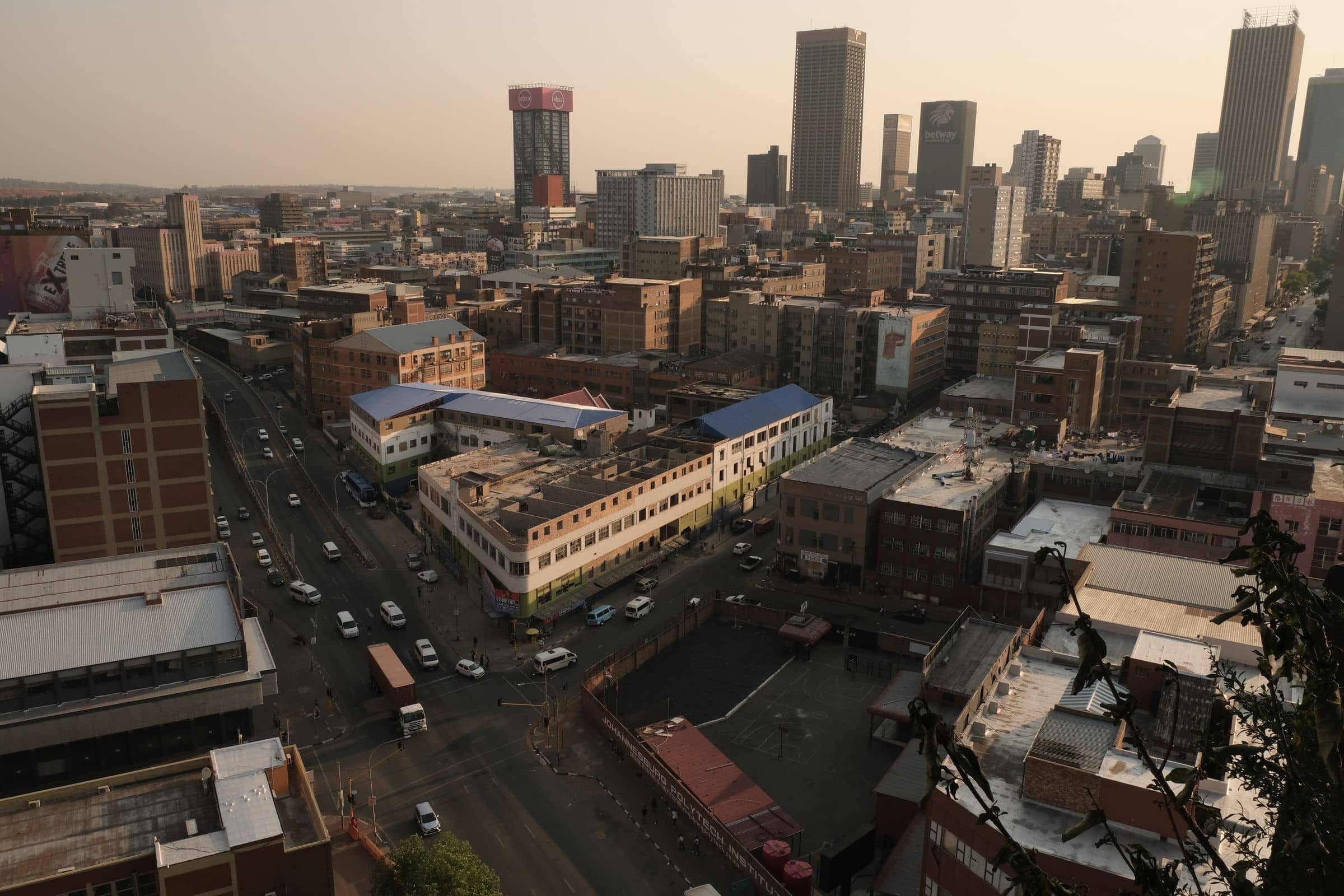
South Africa: an 8 GW power station nobody planned.
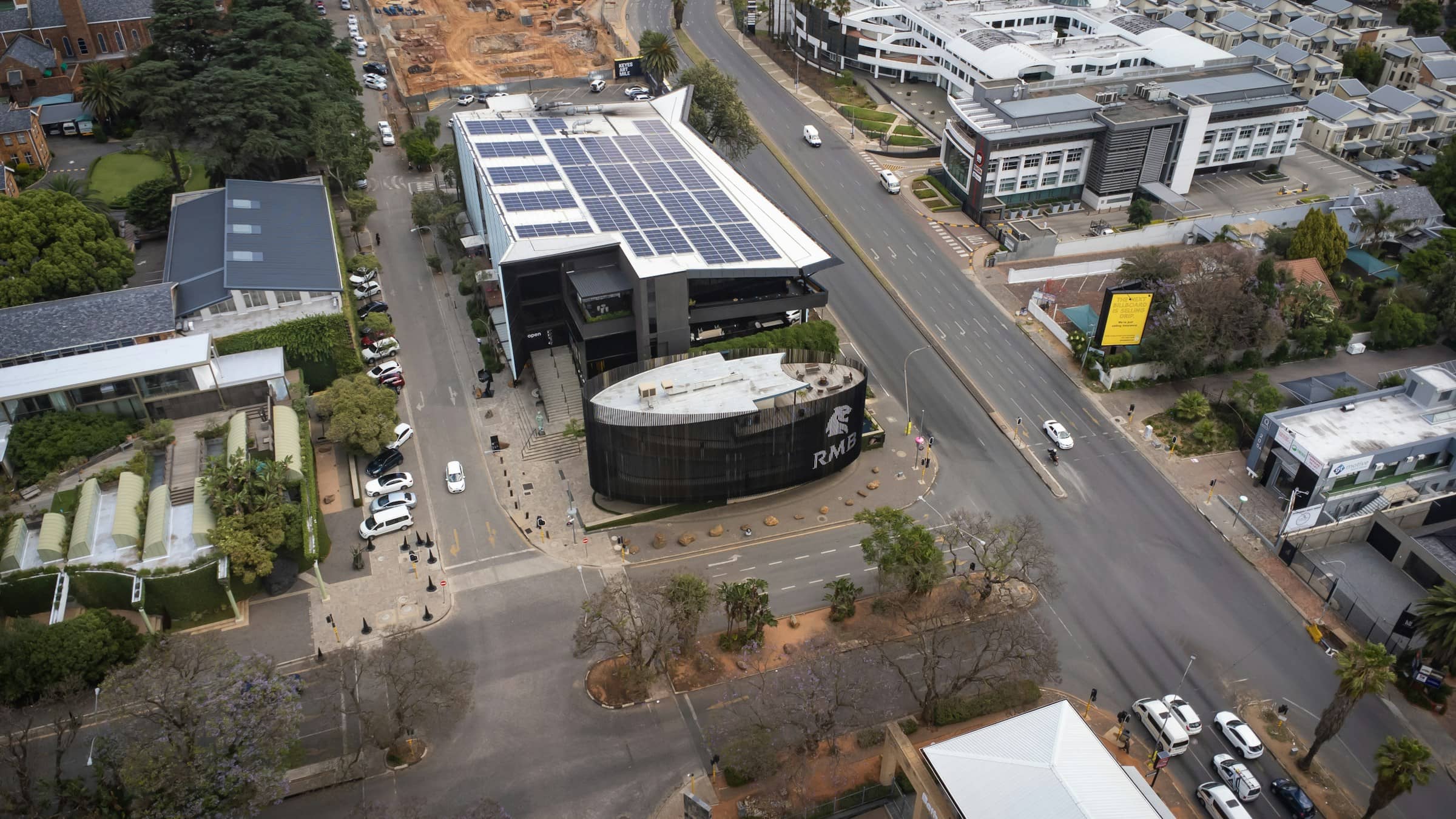
Rooftop solar rose from 2.33 GW in October 2022 to 8.3 GW by mid-2026, about three times the 2.8 GW of solar operating under REIPPPP and RMIPPPP.6,9 Eskom has conceded that the “vast majority” of low-voltage installations remain unregistered.10
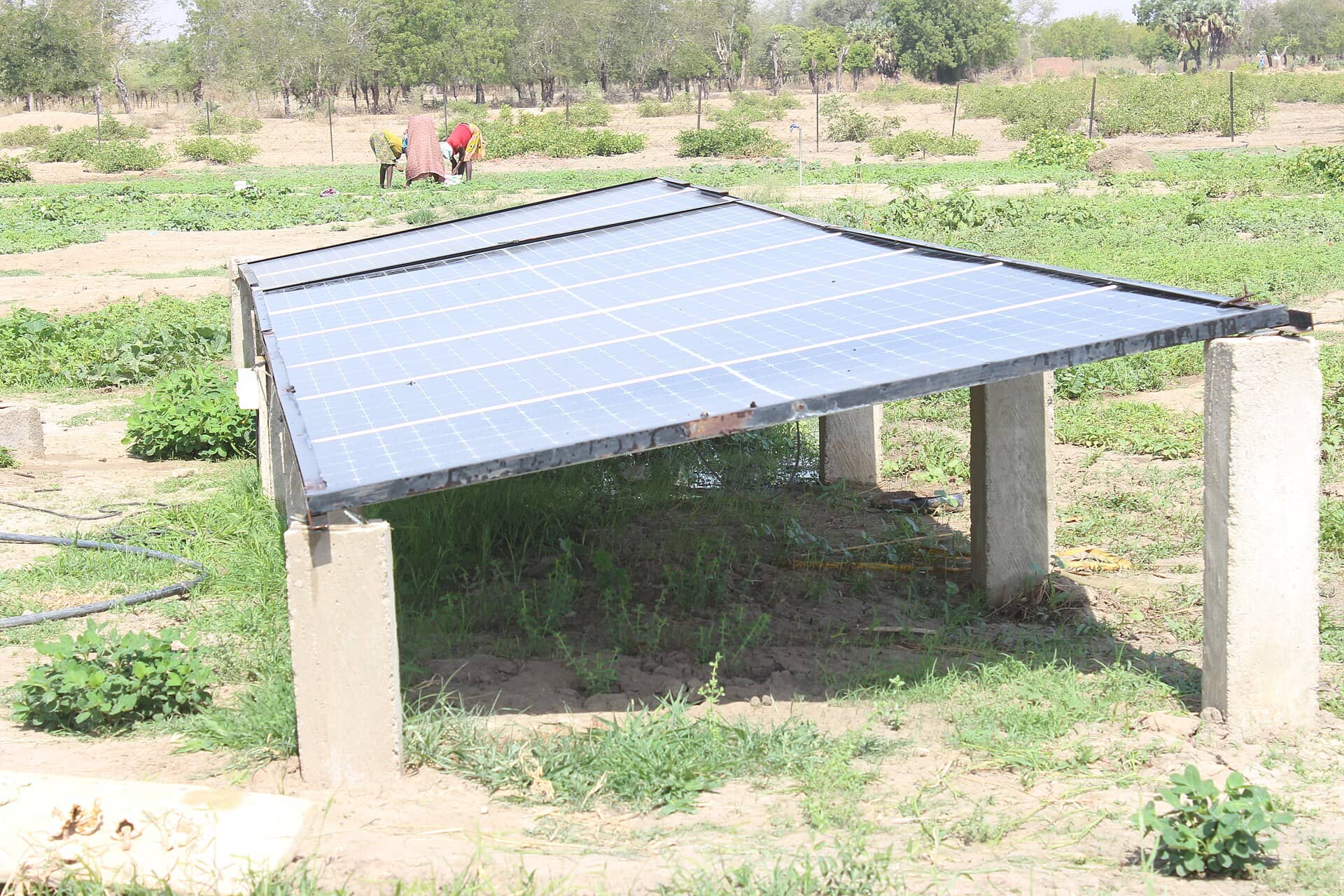
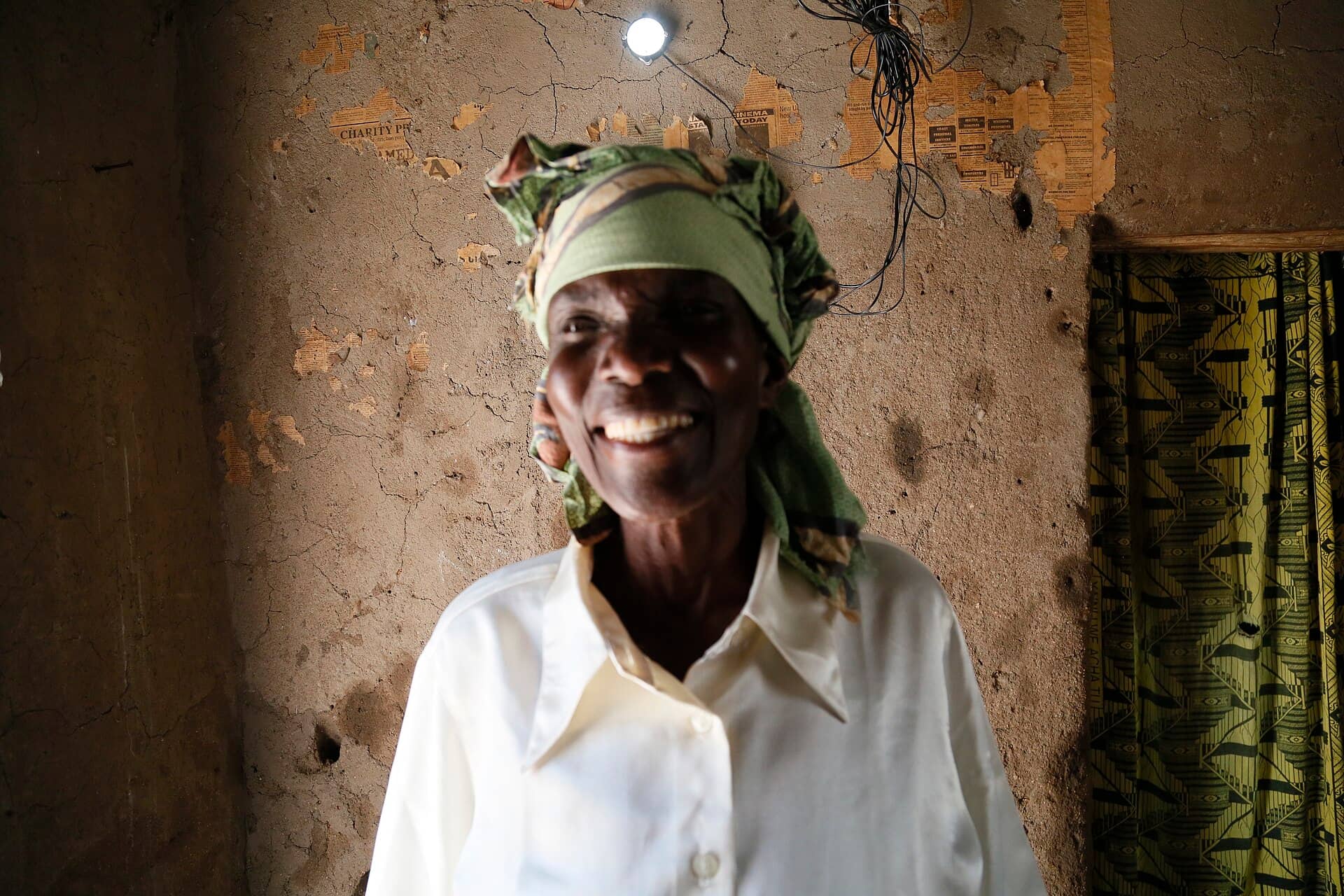
For most people still waiting, distributed energy is the cheapest way to connect.
In sub-Saharan Africa, 83% of urban residents have electricity but only 33% of rural residents do.1 Universal access in Africa needs $15 billion a year to 2035, against less than $2.5 billion committed to new connections in sub-Saharan Africa in 2023.12
Country explorer · 54 countries
Export rules are spreading. Rules for aggregation are still missing across Africa.
Let’s take a deep dive. Each country is coloured by whether a rule lets small systems export power to the grid. Tap one for its snapshot.
All 54 countries, by AU region
North
West
- Benin, export rules Partial
- Burkina Faso, export rules Partial
- Cabo Verde, export rules Yes
- Côte d'Ivoire, export rules Partial
- Ghana, export rules Yes
- Guinea, export rules None found
- Guinea-Bissau, export rules None found
- Liberia, export rules None found
- Mali, export rules Partial
- Niger, export rules Partial
- Nigeria, export rules Yes
- Senegal, export rules Partial
- Sierra Leone, export rules None found
- The Gambia, export rules Partial
- Togo, export rules Partial
Central
- Burundi, export rules Partial
- Cameroon, export rules None found
- Central African Republic, export rules None found
- Chad, export rules Partial
- Democratic Republic of the Congo, export rules None found
- Equatorial Guinea, export rules None found
- Gabon, export rules None found
- Republic of the Congo, export rules None found
- São Tomé and Príncipe, export rules Partial
East
- Comoros, export rules None found
- Djibouti, export rules Partial
- Eritrea, export rules None found
- Ethiopia, export rules None found
- Kenya, export rules Yes
- Madagascar, export rules Partial
- Mauritius, export rules Yes
- Rwanda, export rules None found
- Seychelles, export rules Partial
- Somalia, export rules None found
- South Sudan, export rules None found
- Sudan, export rules None found
- Tanzania, export rules Yes
- Uganda, export rules Partial
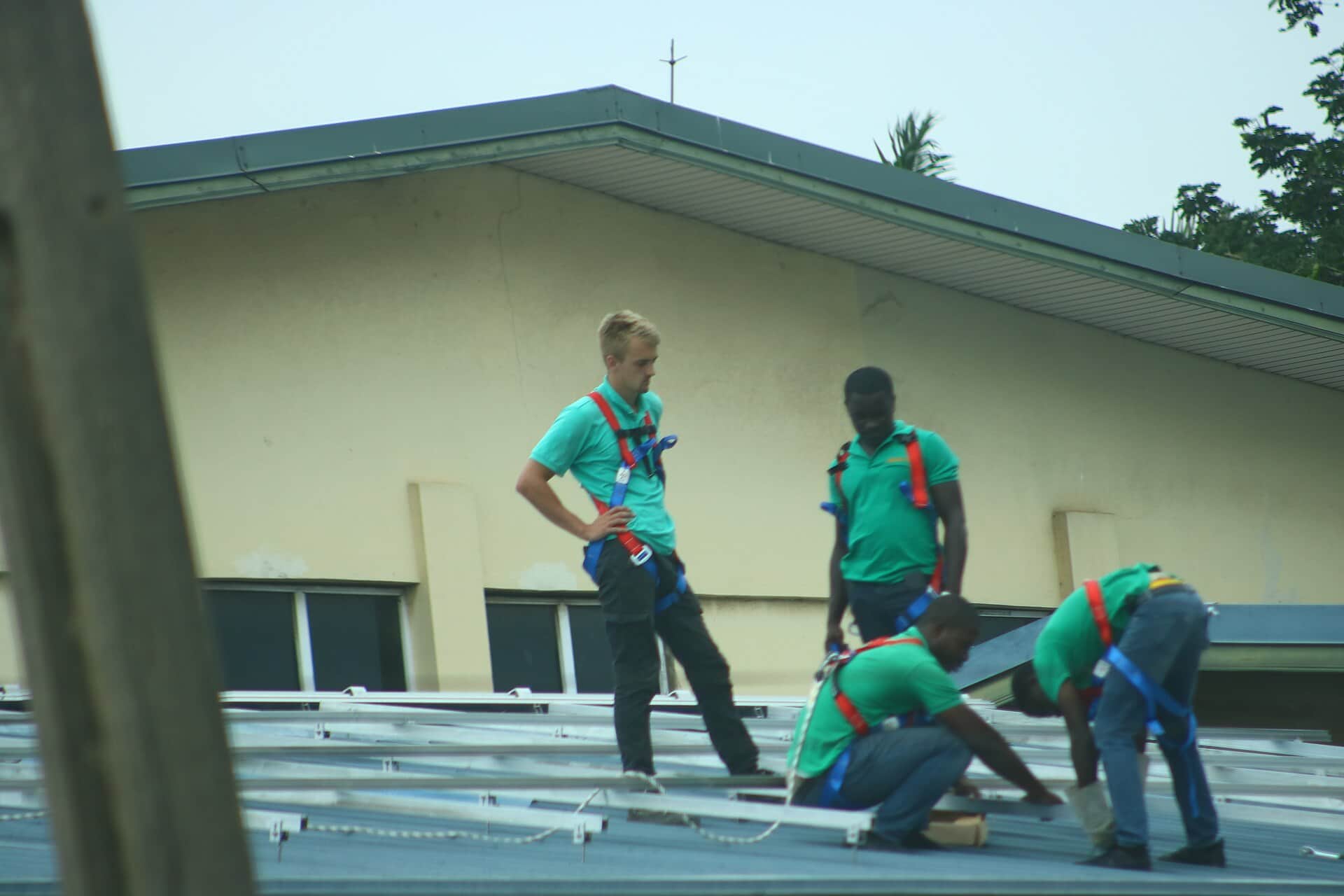
The full report
The full analysis is in Africa’s Invisible Grid.
30 pages, 17 exhibits, 86 sources: the boom, the data gap, the economics and the four building blocks.
- Contribute country dataBetter data, a correction or a source. Every contribution is reviewed, logged and credited.
- Bring us your hardest problemWhich rule, tariff or data gap is holding back distributed energy in your market?
- Become a memberMembership is open to companies, utilities, municipalities, researchers and funders.